
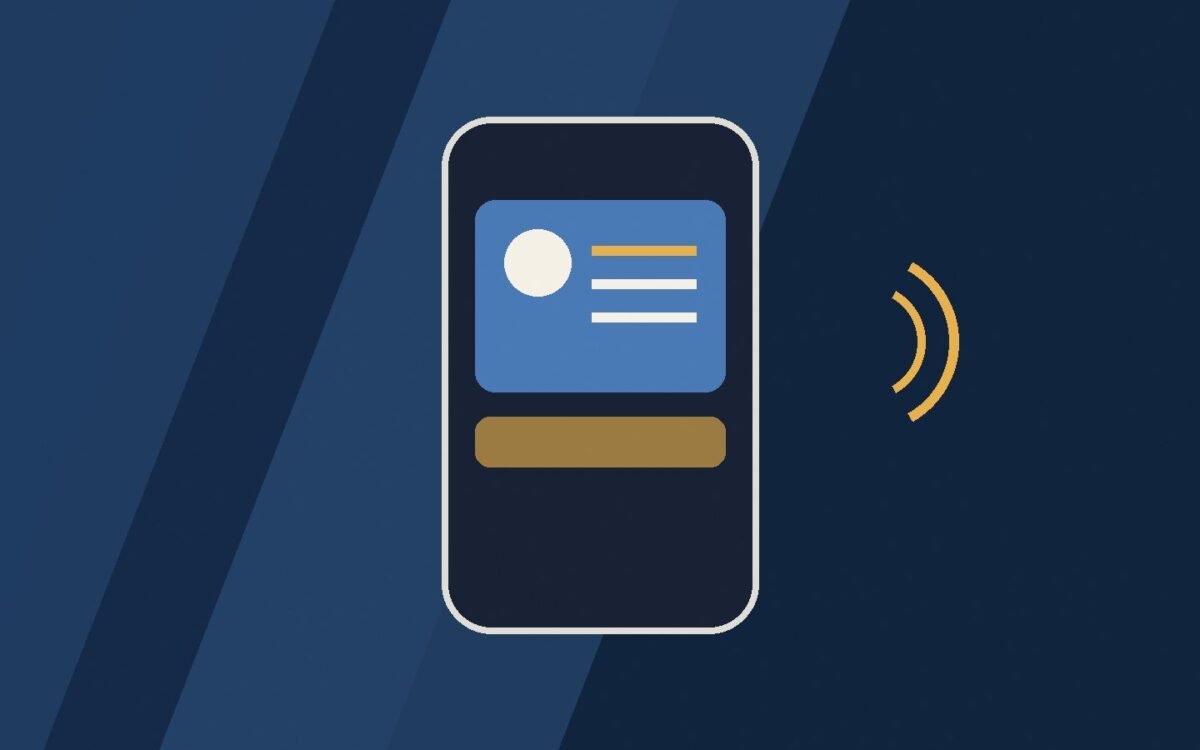
Student ID cards are going digital. Starting this semester, students can add their MU identification to their phones and use it at the library desk, the cafeteria till and — as readers are upgraded — building entrances.
The digital card mirrors the plastic one: it shows the holder’s name, photo and student number, and works by tapping the phone against the same readers that accept the physical card. Plastic cards remain valid for the entire school year, and the administration says nobody is required to switch.
Where it works now
- Library lending desk and self-checkout
- Cafeteria payment tills
- Main hall and sports centre entrances
- Remaining building readers — upgrading through the term
IT services coordinator Filip Barta said the most common early problem is a dead phone battery at a door. “Keep the plastic card in your bag this year,” he said. “The digital card is a convenience, not yet a replacement.”
Privacy questions answered
Asked what the system records, Barta said tap logs are the same as for plastic cards — time, door and card number — and that no location data is collected from the phone itself. The student council’s technology group reviewed the setup before launch and published a short summary in the council minutes.
Students can activate the digital card through the student portal under “My ID”. Lost-phone deactivation works the same way as reporting a lost card.
Why now
The upgrade rode on hardware that was being replaced anyway: most campus card readers dated from a single procurement nine years ago and had reached the end of their supported life. Replacing them with models that read both cards and phones cost, according to figures presented to the council’s technology group, about eight percent more than like-for-like replacements — a margin the administration judged worth it to avoid a second upgrade later.
MU is the third school in the region to adopt digital IDs. Barta said the project deliberately waited for the earlier adopters to find the problems first: “Their year of bug reports is why our rollout is boring, which is the highest compliment an IT project can receive.”